Your Hot Water System Isn’t Failing. It’s Falling Behind.
It’s the end of a sanitation cycle. Multiple hose stations are running, the line needs to turn, and everyone is moving with urgency to stay on schedule.
Then the pace shifts.
Nothing has shut down. There’s no alarm. Crews hesitate just long enough to notice, make small adjustments, and keep moving. One hose slows down while another finishes. No one calls it out as a system issue, but everyone feels it.
The system didn’t fail. It just couldn’t keep up with what the plant needed in that moment.
That’s where most hot water issues live. Not in failure, but in response.
On paper, the system delivers the right temperature and meets the required output under steady conditions. But sanitation doesn’t happen in steady conditions. It happens in bursts, in overlap, and under pressure. This is especially true in high-volume washdown environments, where multiple hose stations can demand hot water at the same time and conditions change quickly.
When the system can’t respond at that pace, the gap shows up in subtle ways. Temperature drops just enough to affect cleaning. Pressure shifts between stations. Crews adjust without stopping, working around the system instead of relying on it. The process continues, but not at the pace it was designed for.
Over time, those adjustments stop standing out. They become routine. What should be consistent starts to depend on experience and timing, not system performance.
The Problem Isn’t Temperature. It’s Response
Most plants don’t have a temperature problem. They have a response problem.
Traditional systems are designed to deliver heat, but not always at the speed real plant conditions demand. They rely on stored hot water and indirect heat transfer, which introduces a delay between when water is needed and when it can be delivered at full performance.
That delay is easy to overlook until demand stacks up. When it does, the system starts falling behind, and the plant feels it immediately.
Where the System Falls Behind
The limitation isn’t usually capacity. It’s how the system is built to respond.
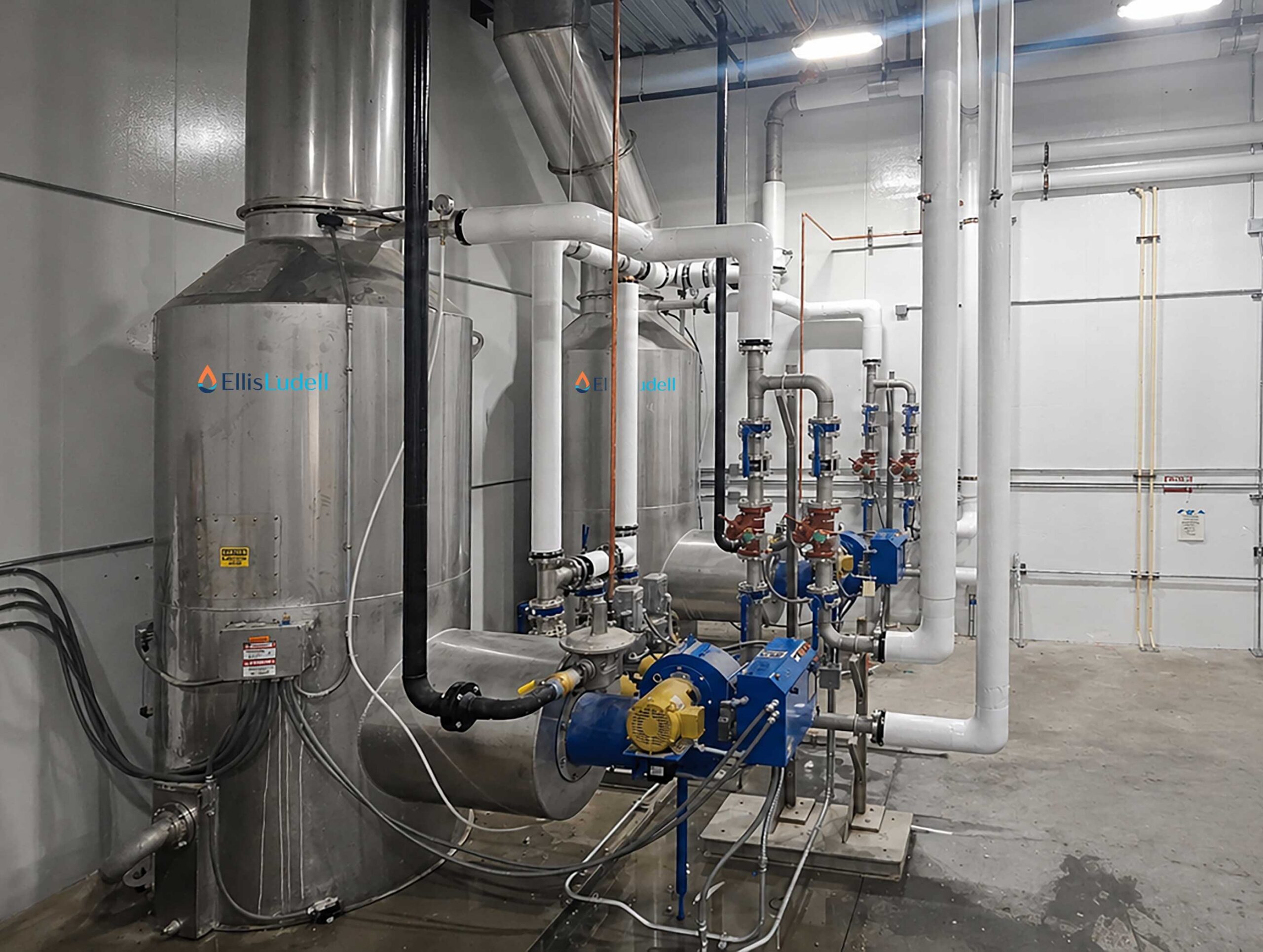
Heat has to transfer through a surface before it ever reaches the water, and that process takes time. From there, the system depends on stored hot water, which can be drawn down faster than it can recover during peak sanitation demand.
As the system operates, scale and fouling build on those heat transfer surfaces. That slows performance further and extends recovery time. Nothing is technically broken, but the system no longer responds the way it needs to when demand is at its highest.
That’s when crews start adjusting, and the process starts absorbing the impact.
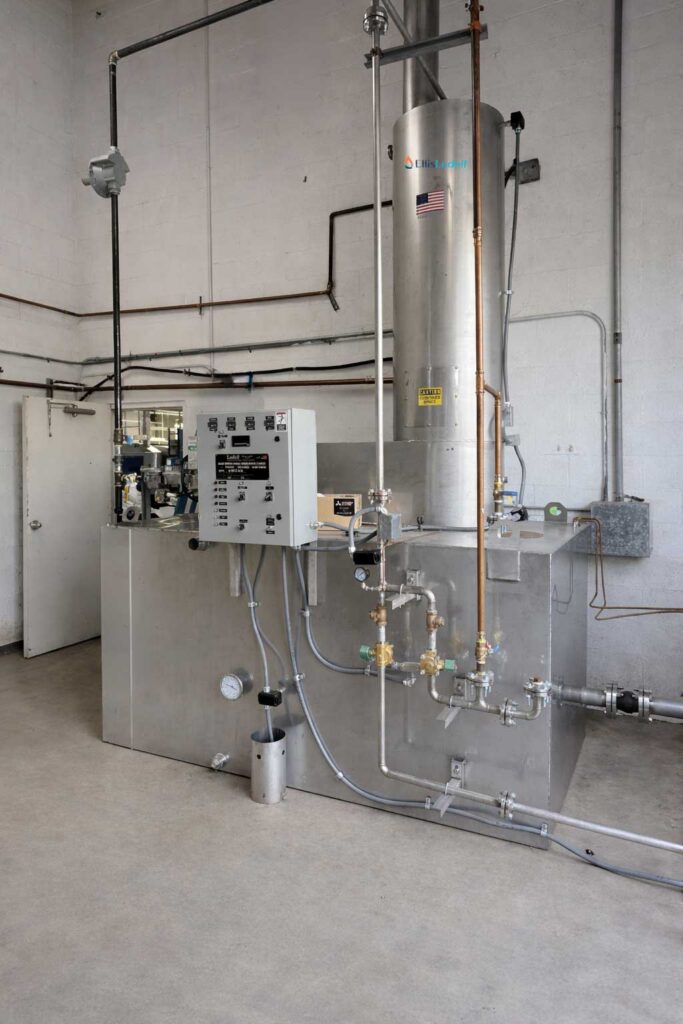
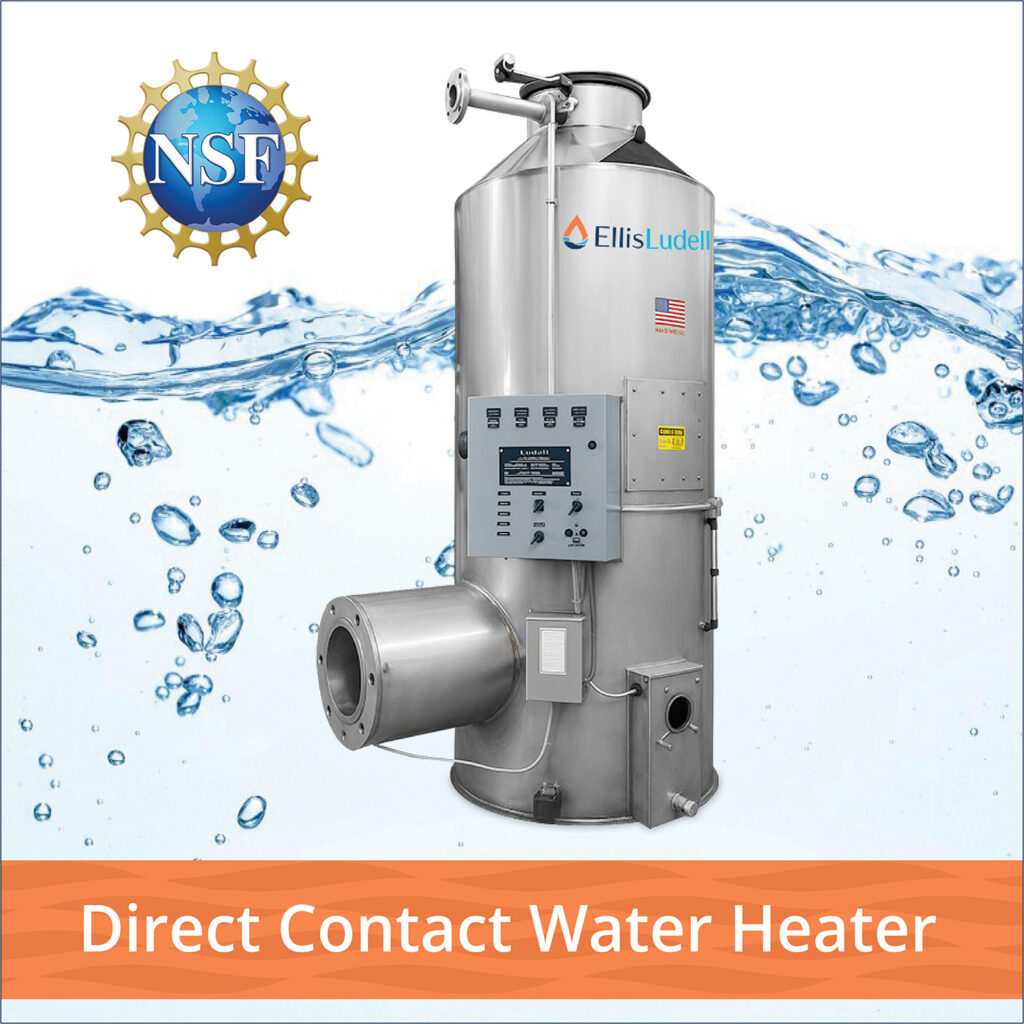
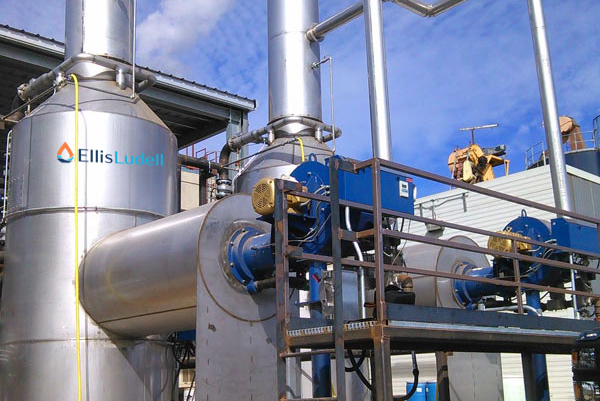
Direct contact water heater designed to keep hot water consistent where it matters.
A Different Way to Deliver Hot Water
A Direct Contact Water Heater changes how heat is delivered.
Instead of transferring heat through a surface, it introduces heat directly into the water, significantly reducing the lag between demand and delivery. It also removes many of the heat transfer surfaces where fouling typically occurs, helping maintain more consistent performance over time.
When sanitation demand spikes, the system is able to respond quickly. Temperature remains stable, flow stays consistent, and crews can continue working without interruption because the system is keeping pace with real demand.
This isn’t just about efficiency. It’s about maintaining performance under real plant conditions, when consistency matters most.
In food processing, that consistency ties directly to sanitation outcomes, food safety, and regulatory confidence. Direct Contact Water Heaters can be configured with NSF-compliant components and designs suitable for food-grade water applications, supporting compliance without adding unnecessary complexity to the system.
A Better Question to Ask
Hot water systems don’t usually get questioned as long as they are running. Because the impact shows up gradually, it’s easy to assume everything is working as it should.
But the better question isn’t whether your system can reach the right temperature. It’s whether it can keep up when your plant needs it most.
If sanitation demand increased tomorrow, would your system respond at the same pace, or would you start to feel those same small delays that are easy to overlook but hard to eliminate?
If the answer isn’t clear, it’s worth taking a closer look at how your hot water is delivered. In many cases, the issue isn’t capacity.
It’s response.
And that’s where the right system makes the difference.
Contact Us
We are here to answer your questions about water treatment, water heaters, and/or laundry equipment. Whether you need to replace existing equipment or engineer a whole new solution, contact EllisLudell for a solution right for you.
Related Blogs
Your Hot Water System Isn’t Failing. It’s Falling Behind.
It’s the end of a sanitation cycle. Multiple hose stations are running, the line needs to turn,…
Laundry Below Deck: Ellis Dryers Aboard the USS North Carolina
Most people don’t expect to find an industrial laundry inside a battleship. But deep inside the USS…
Why Sanitation Hot Water Reliability Matters More Than Most Food Plants Realize
Sanitation only works when hot water keeps up. That sounds simple. But in food and beverage plants,…
Clean Show 2025 Recap: The Sideloader Leads the Way
Clean Show 2025 proved once again that EllisLudell is a force in industrial laundry. From the moment…
Whisper Dryer: Quiet Power That Speaks Volumes
Some dryers make noise. This one makes results. The EllisLudell Whisper Dryer is not just built for…
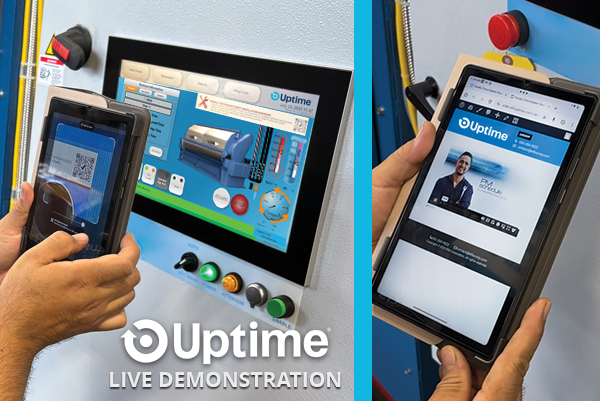
Uptime® – Equipment That Knows Exactly What to Do
Some machines run. Others think. Then there is the kind that changes how your team works from…
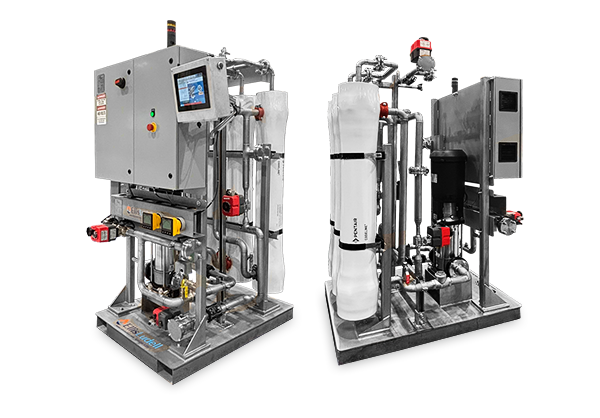
The Smarter Way to Clean Water Starts Here. Where Water Is Not Just Clean, It Is Competitive.
You do not just need water filtration. You need water control. You need fewer chemicals in your…
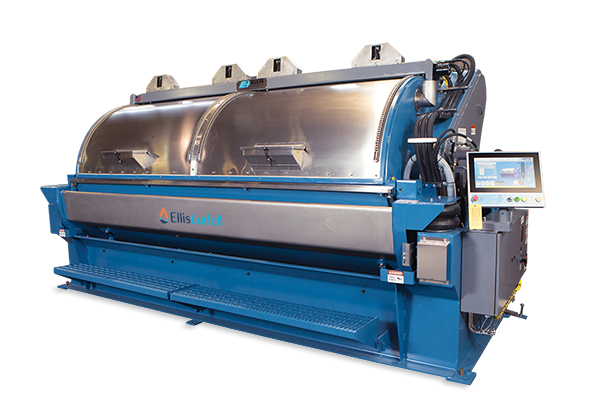
This Is What Intelligent Laundry Looks Like. Meet the Sideloader Built to Work
Let’s cut to it. You’re not in this industry for fluff. You need machines that show up,…
Why EllisLudell’s Certified DCWH Sets a Higher Standard
See It First at The Clean Show What you’ll see at booth 2811 at The Clean Show…

The Cost of Cutting Corners in Industrial Laundry: What You Risk with a Non-Certified Water Heater
In industrial laundry operations, cost and lead time often drive equipment decisions. But when your water heating…